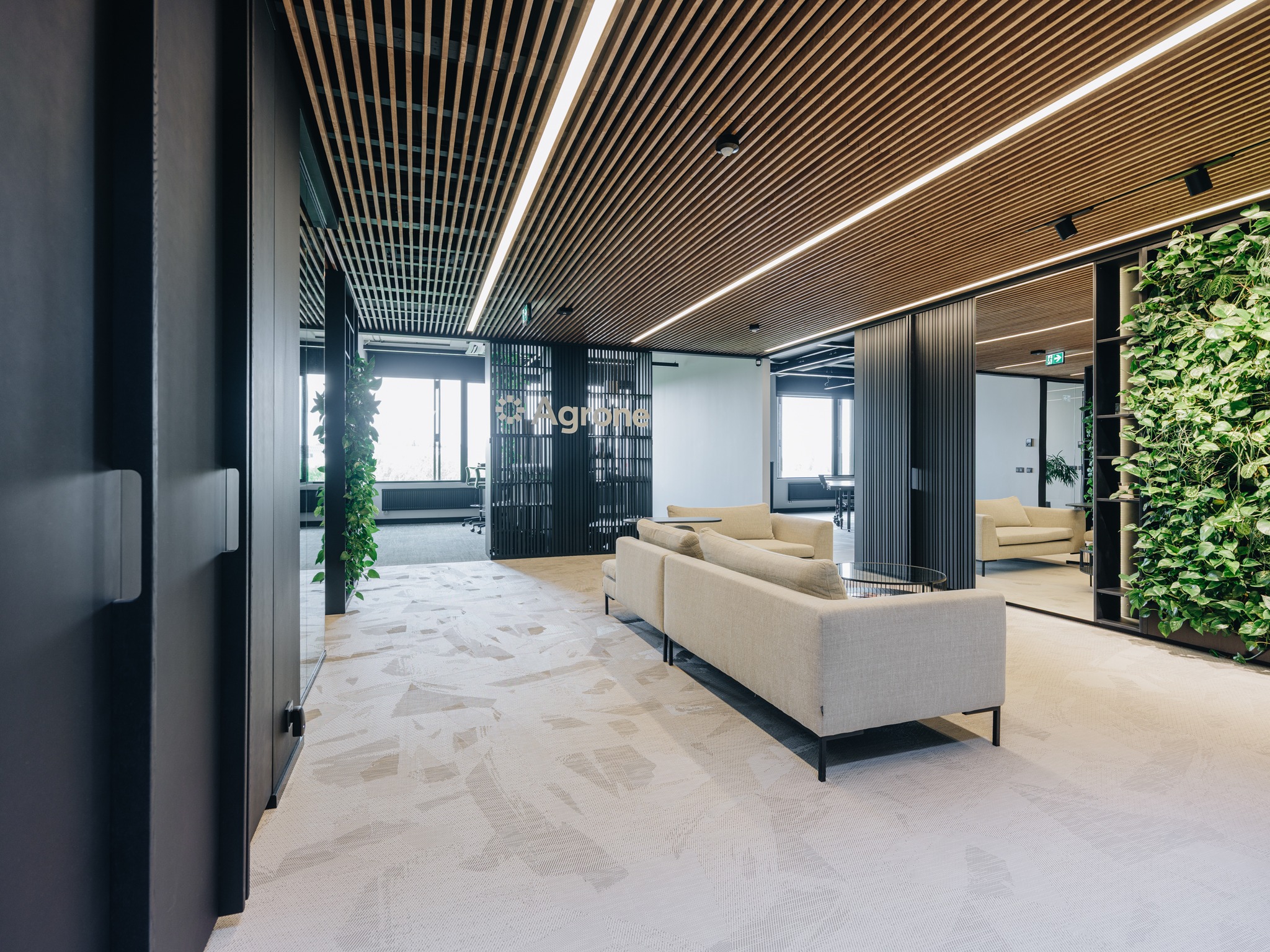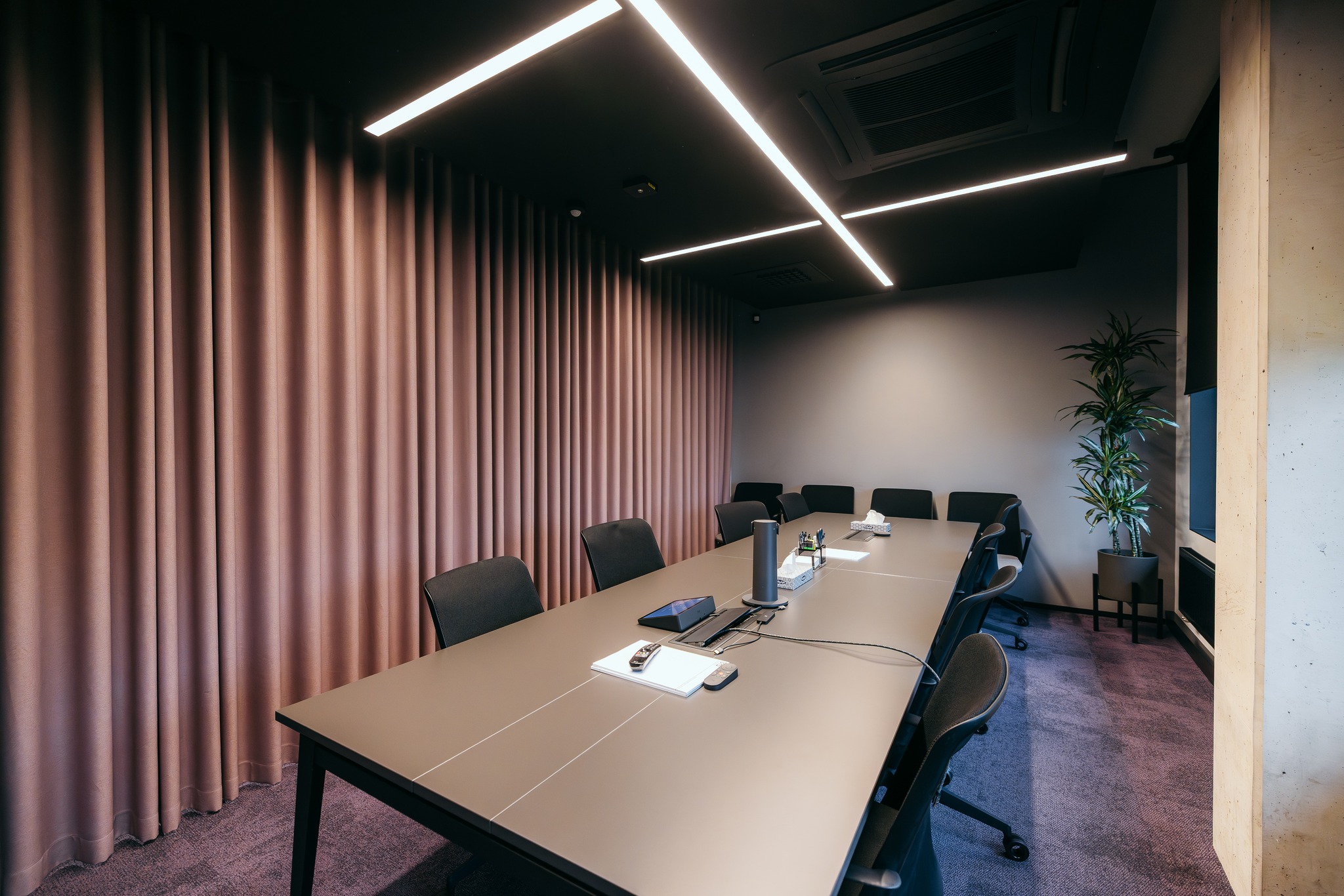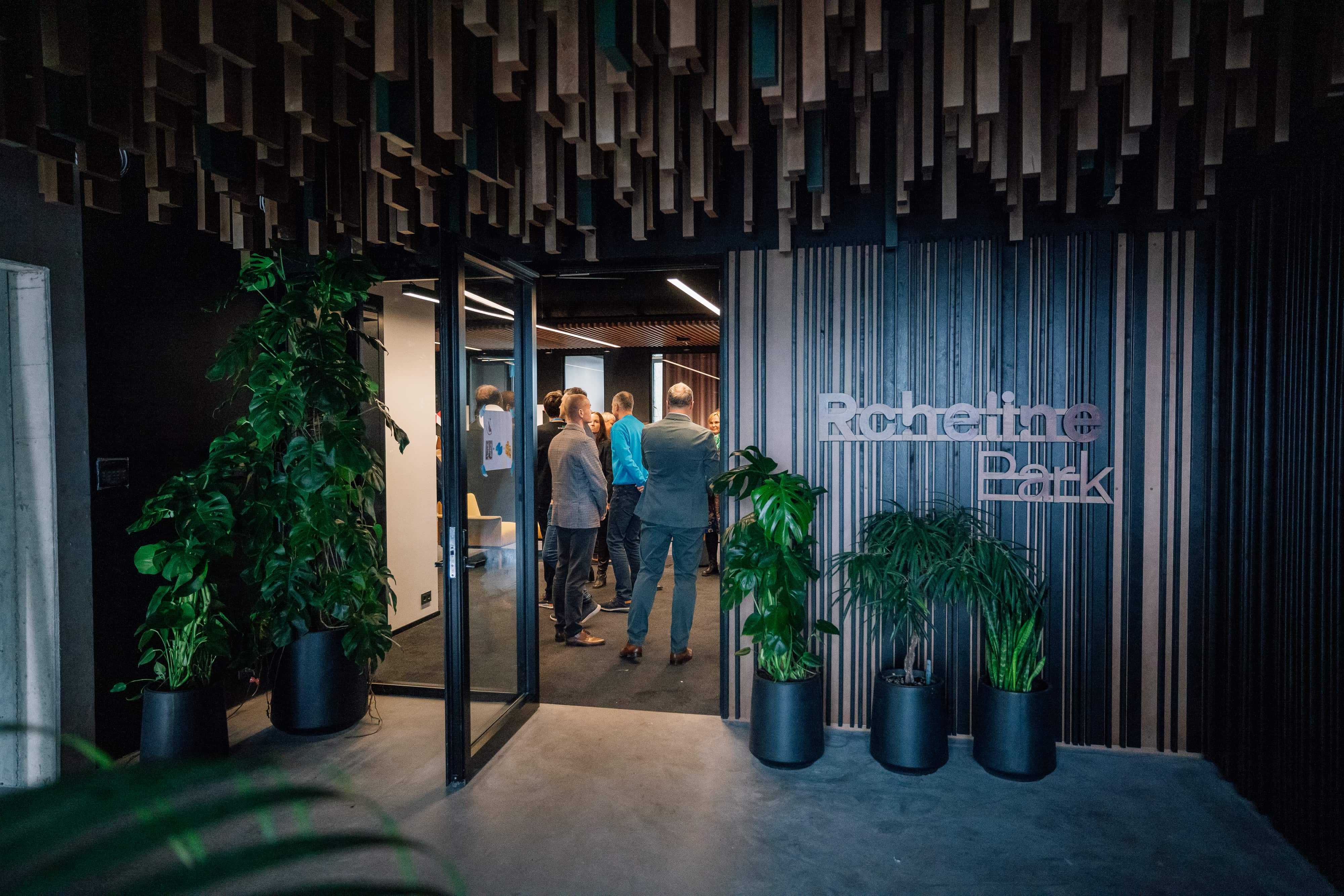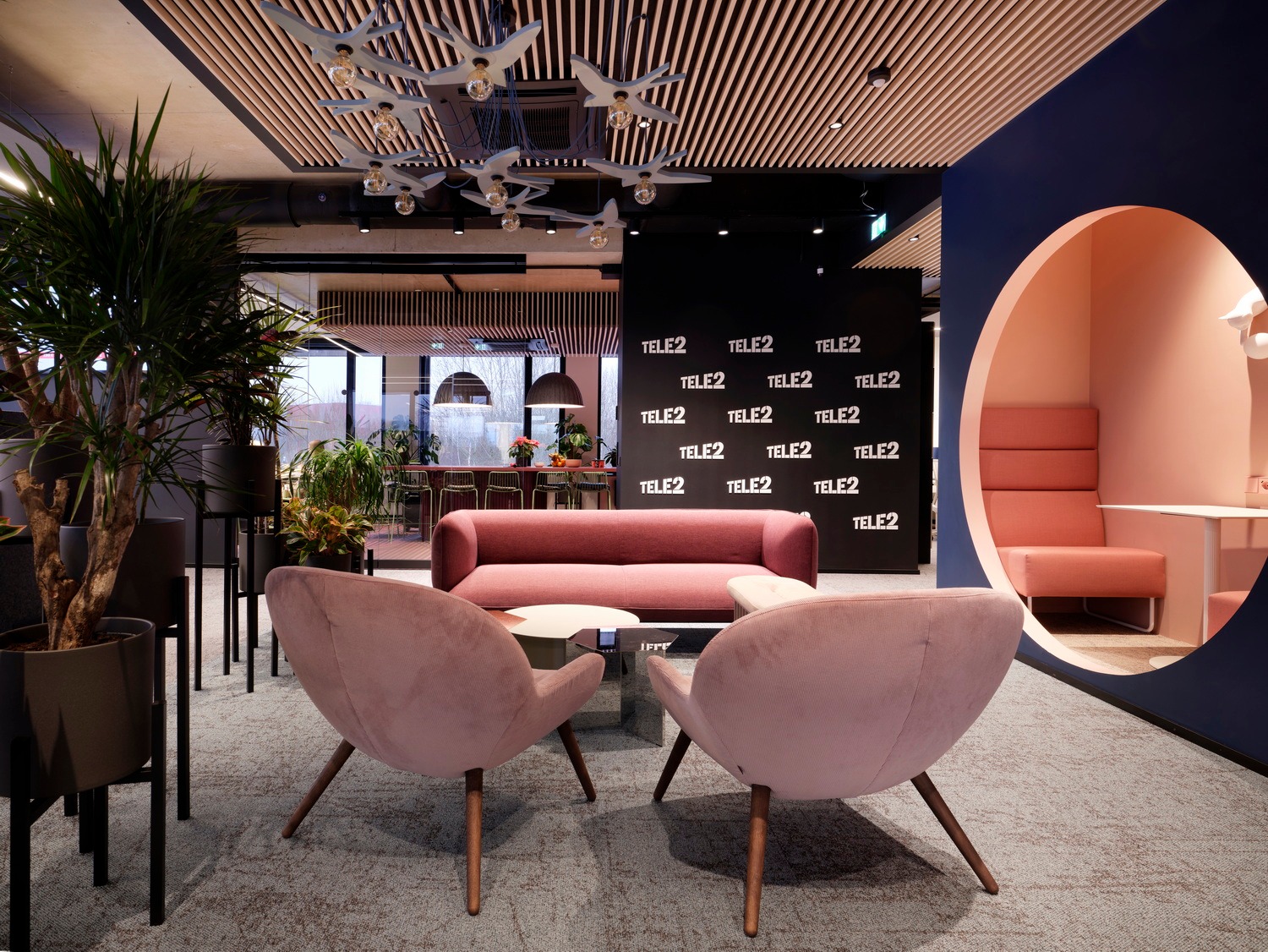
Large companies in Estonia and abroad are establishing rules to actively bring employees back to the office. According to Katrin Hein, Tele2’s head of workplace experience and concept, instead of issuing orders, companies should invest in a value-creating physical workplace, as it plays an important role in shaping a positive employee experience. People are inspired by an activity-based environment, varied work areas and solutions that support relaxation.
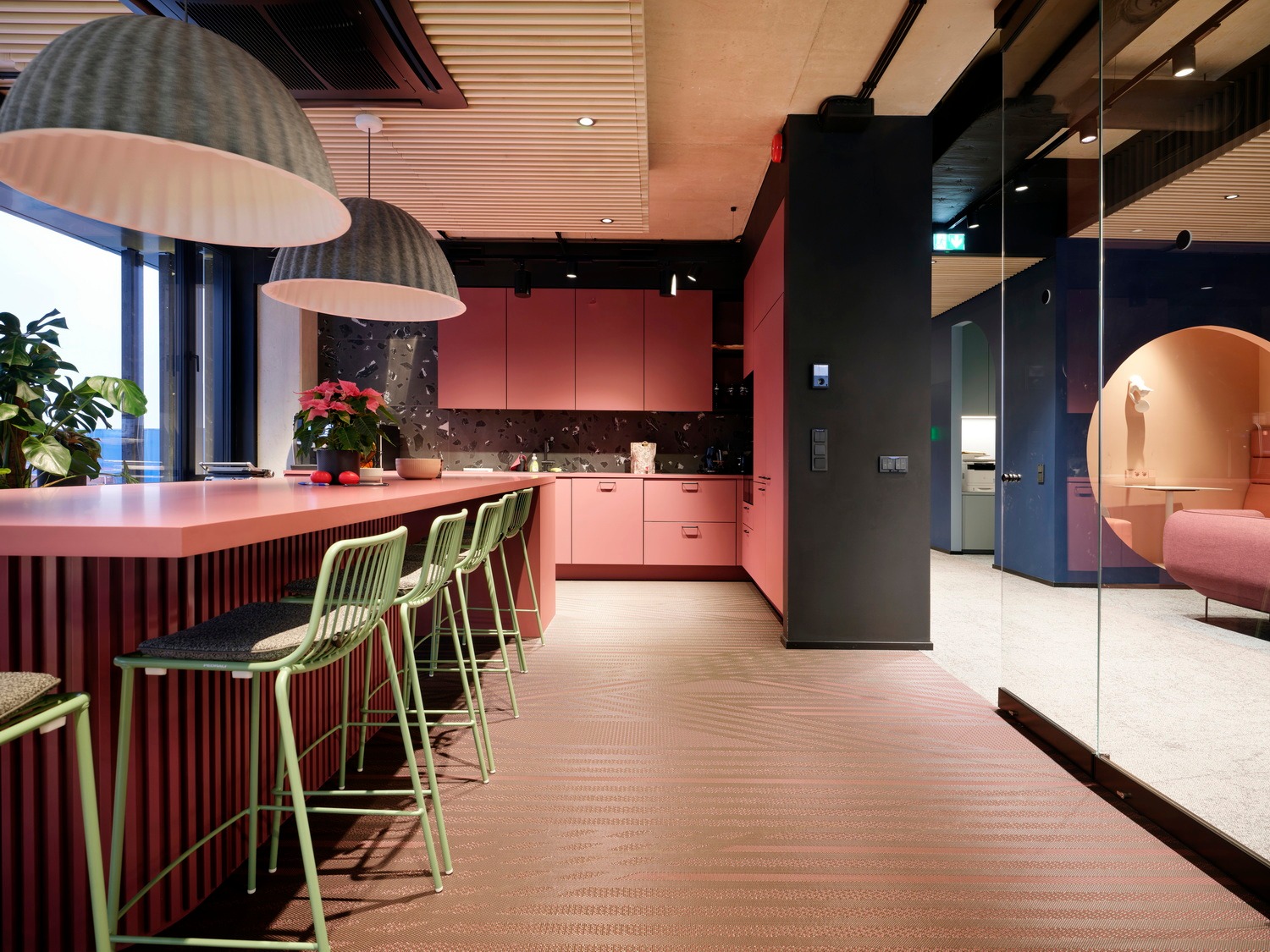
Tele2 previous Tartu office was located in the Old Town on Rüütli Street, with a 120-square-meter workspace. The office was cozy and had a certain historical charm, but the space was becoming too small and no longer met modern needs. "As an employer, we want to offer the best environment, ensuring our people have everything essential, such as well-ventilated rooms, proper lighting solutions, and sufficient workspace. We consider it important to provide a work home that is inspiring and value-creating," said Hein.
Expectations for offices today are especially high because they are competing with people’s homes. "The pandemic showed that work can successfully be done from home, and many still use and prefer this option. Employers, in turn, had to adapt and become more flexible. At Tele2, we’ve done the same and always try to make decisions that benefit both sides, especially given the current labor market situation where companies need to adapt, and the new generation does not see themselves working in an environment dictated by obligations and restrictions. They want freedom and flexibility; they seek inspiration, experiences, and community"’ Hein explained.
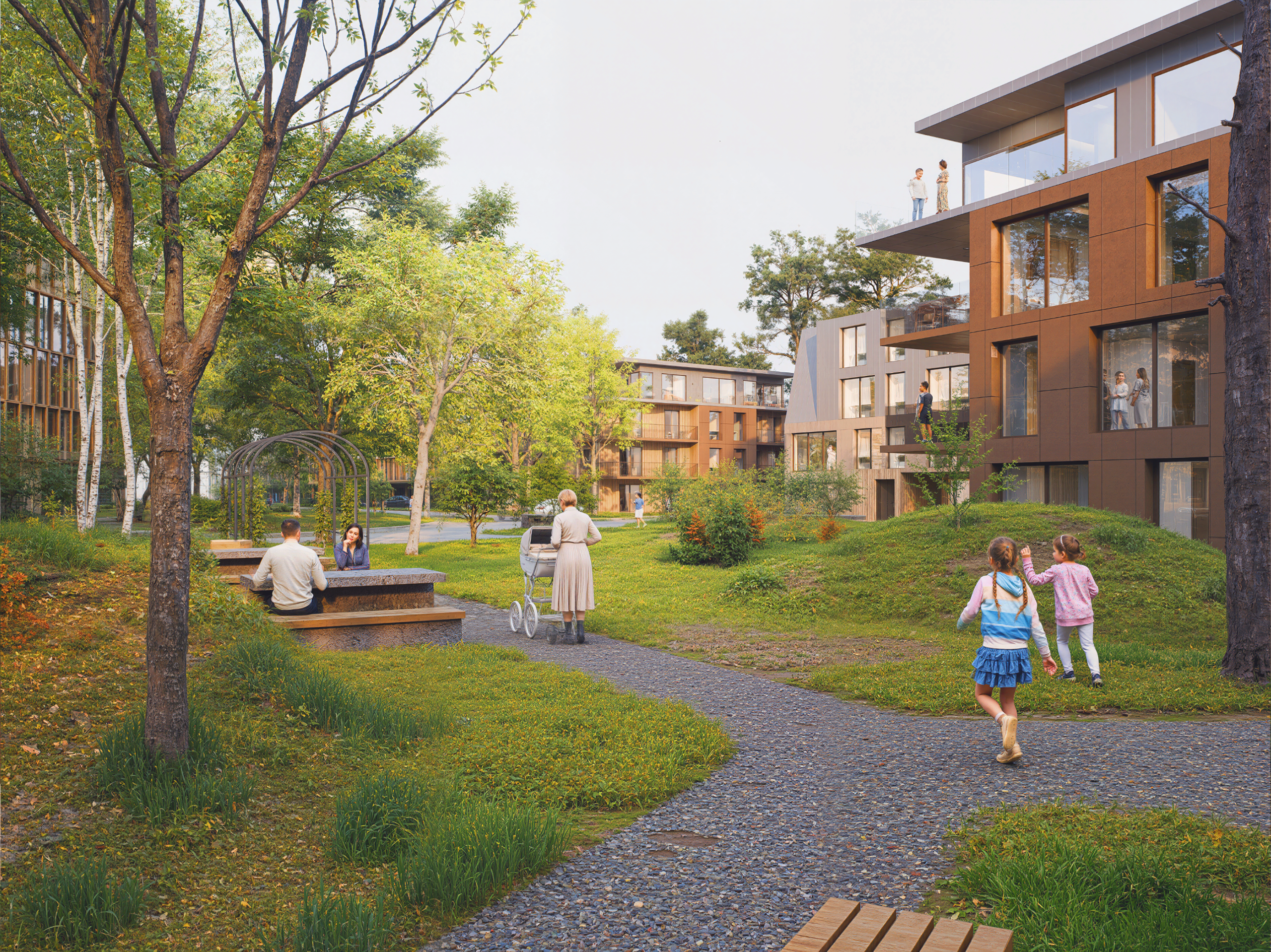
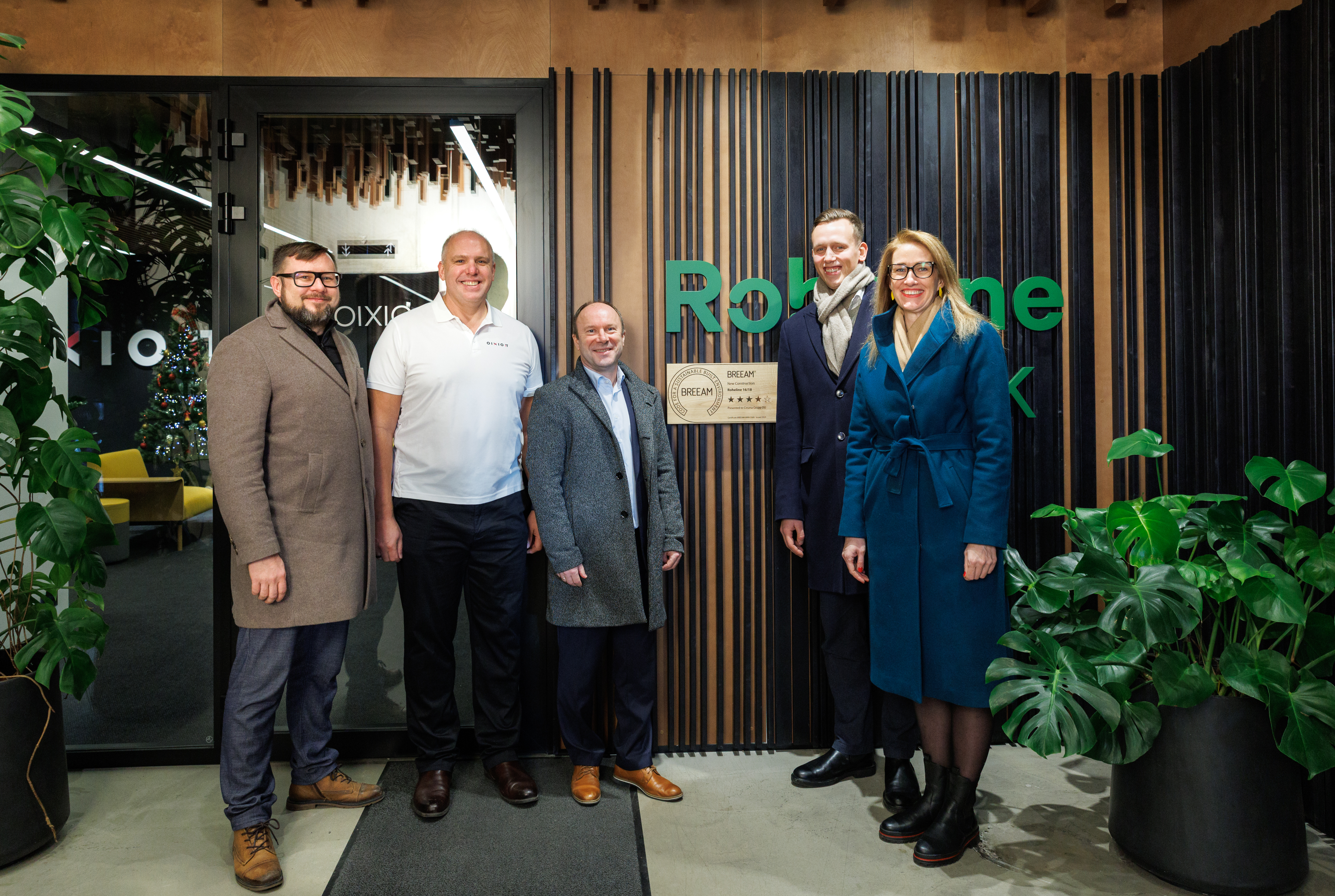
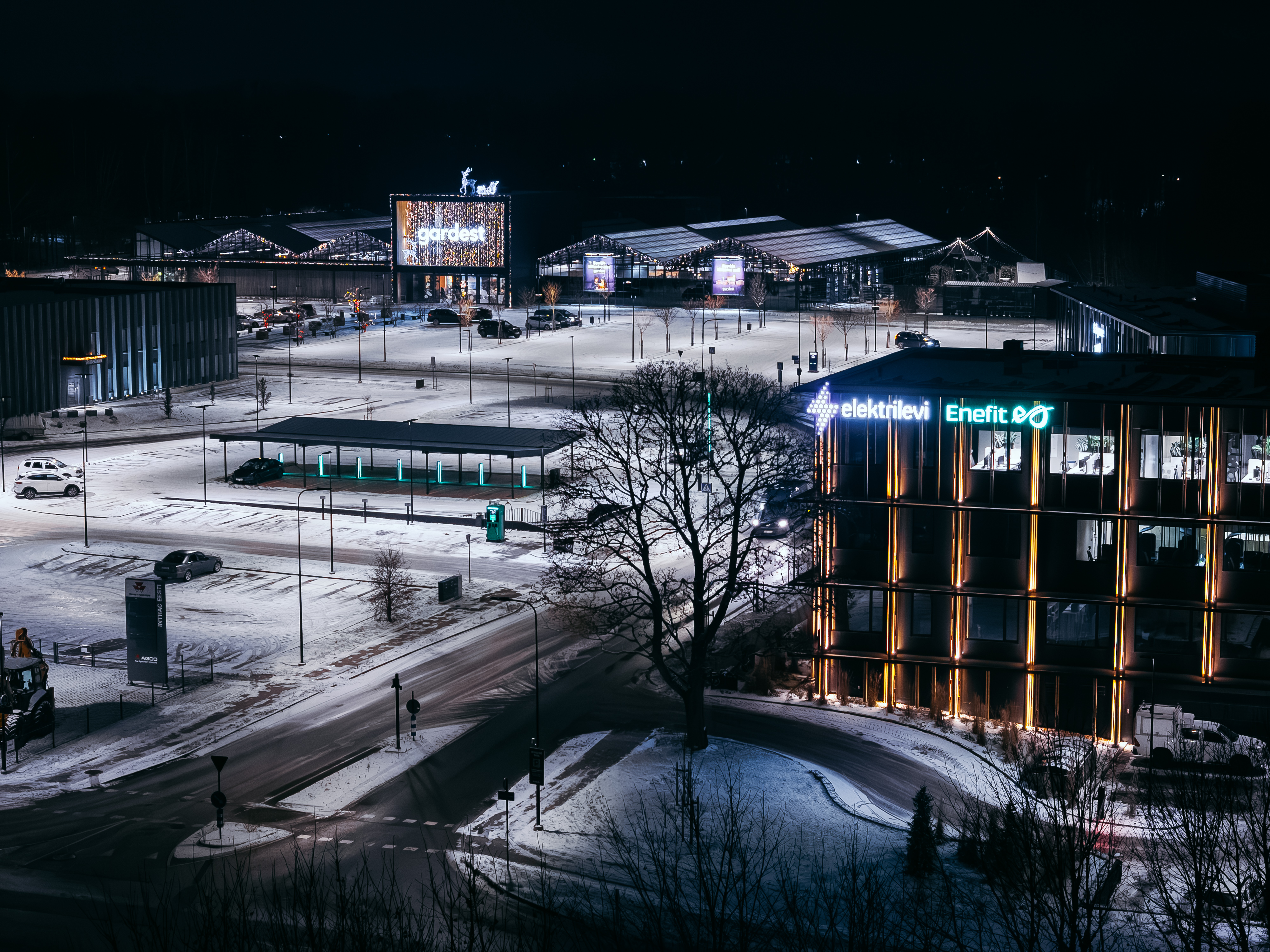
Due to these changing needs, Tele2 decided it was time to find a new, larger, and more modern work home. The condition was that the office had to be located in a new building that meets all contemporary standards. "We chose the Roheline Park development, where a new work-and-living district is being planned, and where the office buildings meet the highest standards."
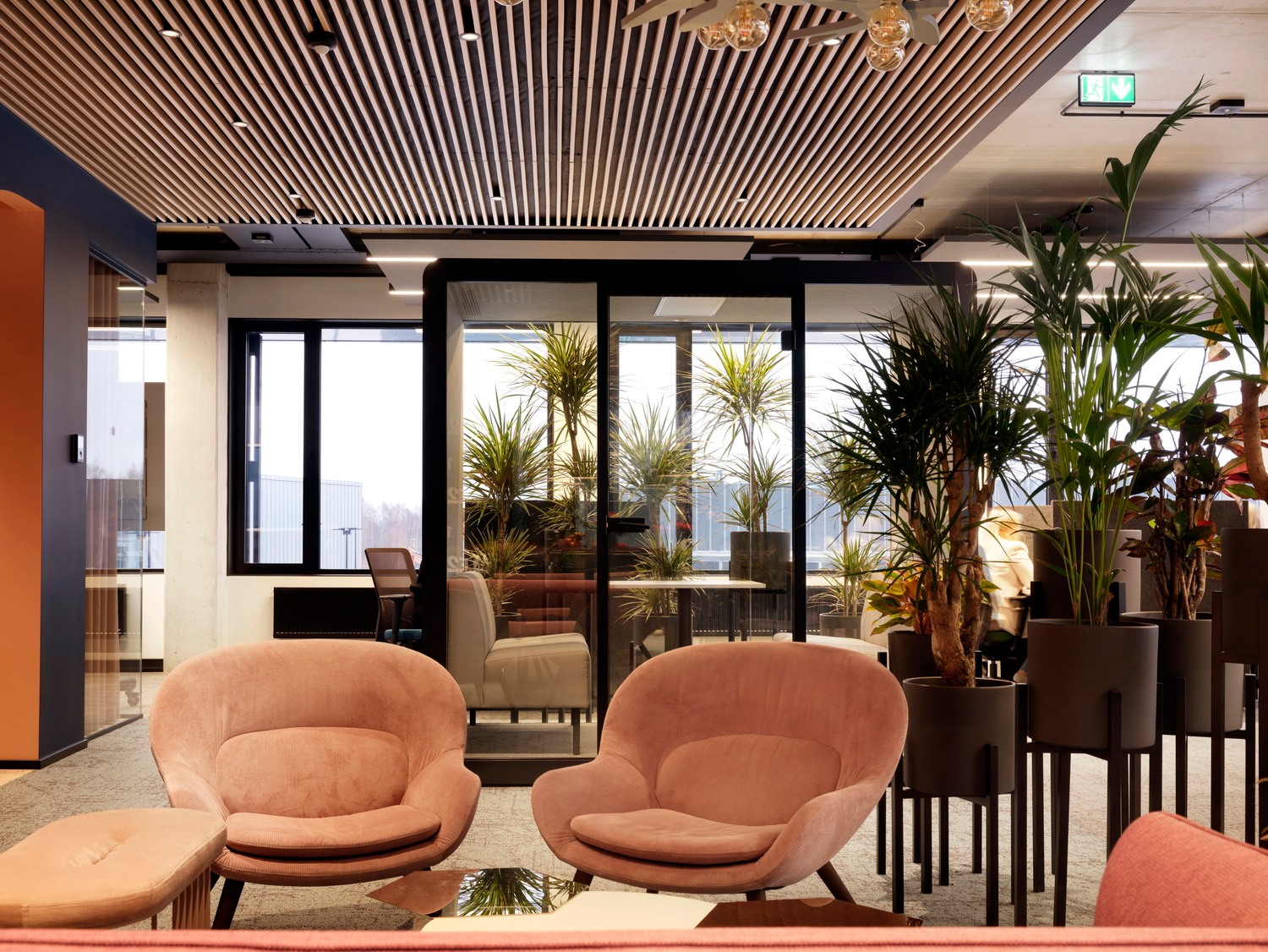
When creating the interior design and work arrangements for the new work home, employees’ opinions were very important. Tele2 conducted surveys and observed how employees perform their daily tasks and what their expectations were for the new office. “The results showed that what matters most to Tele2 employees are simple and basic things: ventilation, a warm room in winter, a cool room in summer, and sufficient lighting. But these aren’t the things that bring people to the office, the real reasons people come to their work home are colleagues, direct collaboration, and the pleasant atmosphere. More and more, it’s the buzz of the office and the cool events happening there that people don’t want to miss and that draw them in,” Hein explained.
Additionally, employees wanted a shower room so runners and cyclists could start their day actively, and a spacious kitchen area where larger groups could comfortably spend time together. Creating a training room was also considered important so that internal trainings could be held on-site, just like in the Tallinn office. “We received feedback from our people, especially from store employees, that they would prefer internal trainings to take place in our work homes, because this way they can better feel the vibe of other Tele2 colleagues, and many who usually don’t visit the office can also enjoy the office buzz,” said Hein.
Tele2 also brought the activity-based concept to the new office. This means employees do not have fixed workstations and can choose where and how they carry out their tasks. According to Hein, the same approach is used in Tallinn and has proven very successful. “No one has a fixed desk, not even our CEO, he sits with us, which brings him closer to the people. Every time we come to the office, we can choose with whom we want to share our desk and energy,” she added. Moreover, activity-based working encourages interaction between different teams. Hein noted that in certain workflows, it’s very important that colleagues from finance, marketing, sales, or the device business can exchange thoughts on the go and test ideas on each other. “Not having your own desk doesn’t hinder work in the office. For example, our management comes in daily to set an example and always be available for employees,” she said.
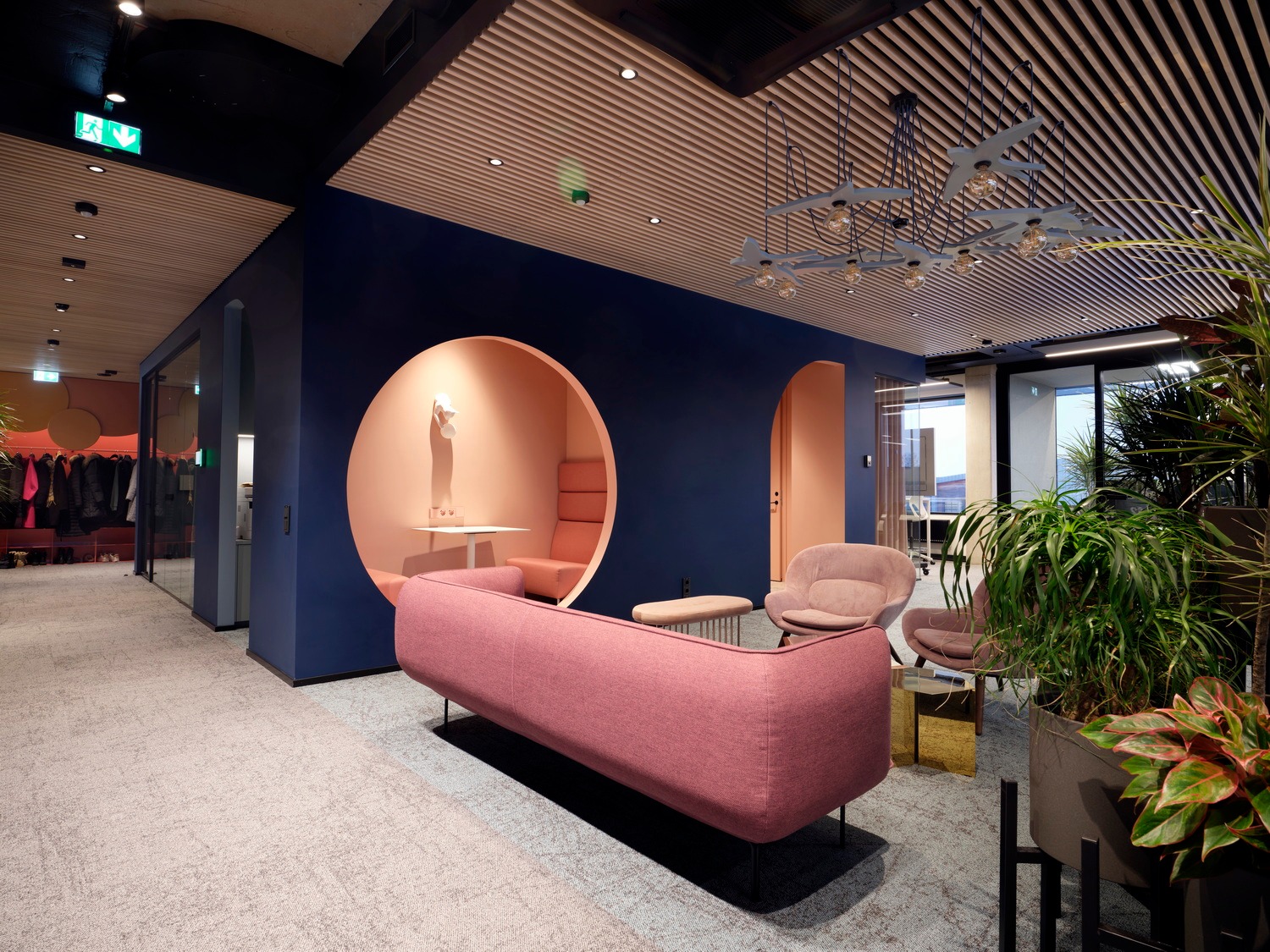
A large part of Tele2’s people interact with customers daily, which can be mentally draining. For this reason, the Tartu office has paid special attention to employees’ mental and physical well-being, and a separate room was created in the office with a massage chair where employees can privately take a break in silence and relax. The office also has many green houseplants, which have a calming effect and create a pleasant environment. In addition, music plays in the kitchen, and employees can compile the playlist themselves. At the beginning of the week, the melodies are calmer, and in the second half, more cheerful. “The work environment has a huge impact on people’s overall satisfaction. Our regular satisfaction survey confirms this as well: Tele2 employees always highlight that they enjoy being in our work homes and feel good and inspired here,” Hein shared.
When creating an inspiring workplace, they also considered that people want to work in different locations throughout the day. “Think of the home office, where we might start the day in the kitchen with a cup of coffee while sending the first emails, then move to the desk for more intensive work, and work the second half of the day relaxing on the couch or in an armchair. We’ve tried to follow the same pattern in the office, encouraging employees to use different work areas and we’ve seen that all solutions that are somewhat outside the standard are quickly embraced,” Hein explained. In addition, Tele2 offices are open to employees even outside working hours, whether for schoolwork or preparing for a presentation that requires focus.
A good work environment that meets employees’ needs and wishes also attracts people to the office. “We don’t have a fixed rule about whether or how often people should come to the office. Each team leader agrees with their team on how office attendance works. Often, there is a set day when all team members come together in the office. Increasingly, we see people burning out mentally when working from home, they are left alone with their worries, their confidence decreases and eventually they stop seeing solutions. At the office, we are like one big family; we support and encourage each other. We share joys and concerns and we celebrate. Our goal has been to create an environment that people want to come to, where they feel good, and that inspires and supports them,” she said.
Roheline 16
61410, City of Tartu, Tartu county


© Cesana Grupp 2025
Web development: Studio Mikk Jõgi